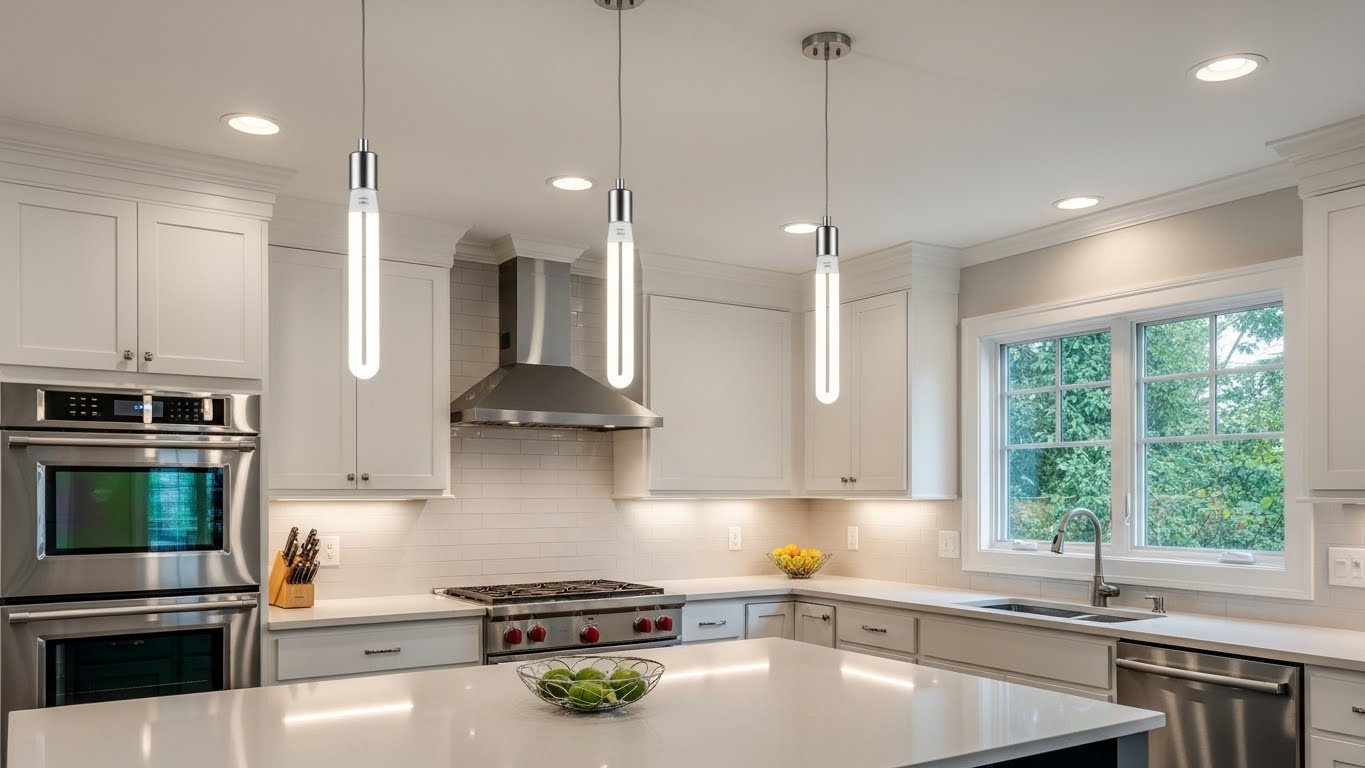
Kitchen lighting has one job: help you see clearly—without making everything look weird or washing out your countertops. The best kitchen LEDs balance:
- High brightness (lumens) for prep, cooking, and cleaning
- True color so food looks natural (look for CRI 90+ when possible)
- Task-friendly color temperature (warm vs daylight)
- Energy savings without sacrificing output
Below are the best picks (based on the products shown), with prices, best-use cases, and the single optimal choice at the end.
Disclosure: Some links may be affiliate links. As an Amazon Associate I earn from qualifying purchases.
Quick Kitchen Lighting Tips (Before You Buy)
- For most kitchens: aim for 3000K–4000K for a clean but not harsh look.
- For maximum visibility: 5000K daylight can be great—especially over the sink and prep areas.
- For comfort at night: warmer 2700K–3000K feels softer.
- True color tip: If you chop food often and care about accurate color, look for CRI 90+. If CRI isn’t listed, it’s often standard (still fine, just less “wow” color).
Top Picks: Best LED Bulbs for Kitchens
1) Linkind A19 LED Light Bulbs Dimmable, 60W Equivalent, Energy Efficient 9W, 2700K, 800 Lumens, E26 Standard Base, Lighting for…
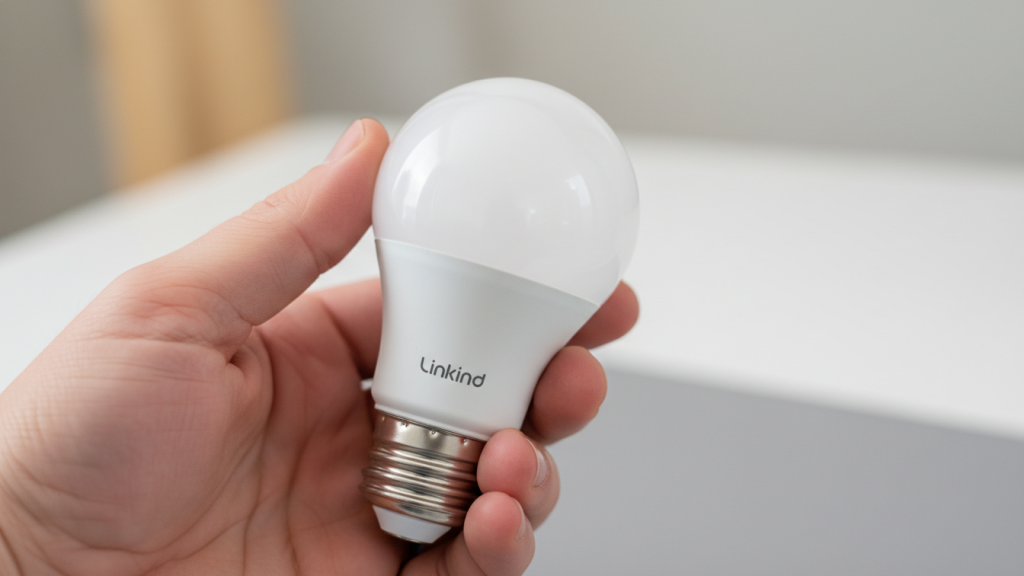
Why it works in kitchens
- Dimmable is a big win for kitchens that double as a hangout space.
- 800 lumens is a solid “standard brightness” level for lamps or smaller ceiling fixtures.
- 2700K warm white feels cozy—great for kitchens that open into a living/dining area.
Best use
- Small kitchens, breakfast nooks, pendant lights with shades
- Evening cooking when you want a softer, warmer feel
What to watch
- 2700K can feel a little warm for detail-heavy prep (especially if your kitchen already has warm cabinets/counters). If you want the cleanest “task lighting,” consider a cooler bulb.
2) Energetic LED Bulbs 150 Watt Equivalent, 2600LM Super Bright Light Bulbs, Daylight 5000K, Dimmable A21 LED Bulb, E26…
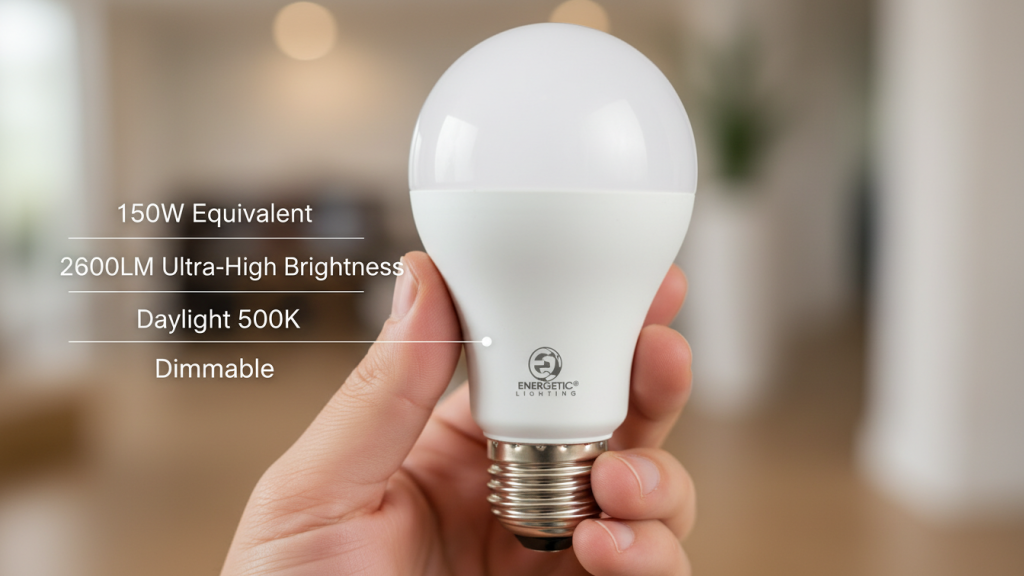
Why it works in kitchens
This is the “I want my kitchen BRIGHT” option.
- 2600 lumens is excellent for kitchens with high ceilings or dark finishes.
- 5000K daylight improves visibility for prep (seeing texture, doneness, and messes).
- Dimmable makes it livable—bright for cleaning, softer for evenings.
Best use
- Main kitchen ceiling fixtures
- Large kitchens, open concept spaces, high ceilings
What to watch
- Daylight + very high brightness can feel intense if the bulb is exposed (no shade). If glare bothers you, use it in a fixture with a diffuser or shade.
3) Energetic 24 Pack LED Light Bulbs 60 Watt Equivalent, A19 Warm White 3000K, E26 Base, Non-Dimmable, 8W 760lm, ETL Listed
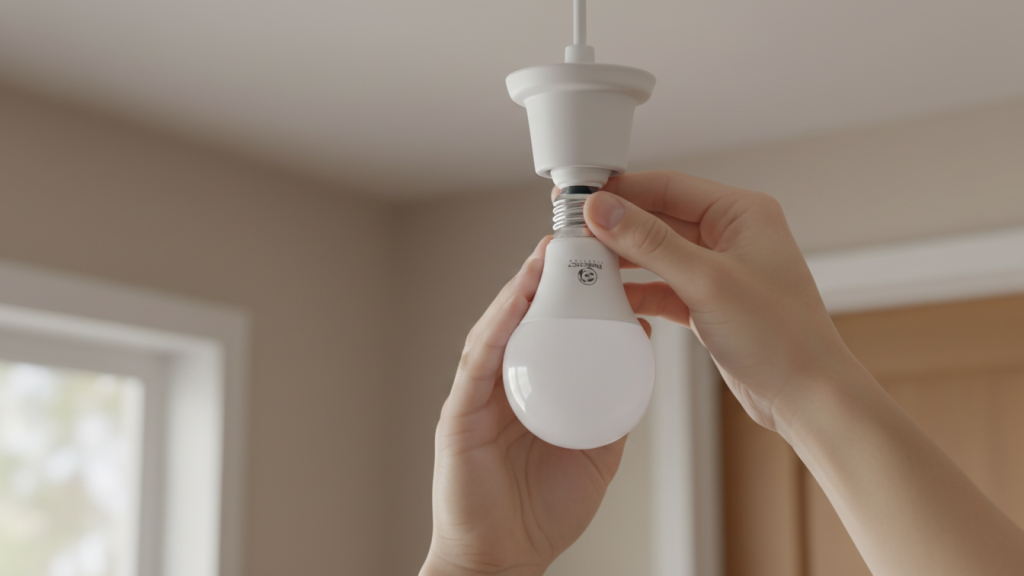
Why it works in kitchens
If you’re replacing a lot of bulbs (kitchen + pantry + dining + hallway), this is the value move.
- 24-pack = very low cost per bulb for whole-home swaps
- 3000K warm white is a nice middle ground—cleaner than 2700K, not as stark as 5000K
- 760 lumens is close to standard brightness and works well in multi-bulb fixtures
Best use
- Kitchens with multiple bulbs in one ceiling fixture
- Whole-home “swap everything to LED” projects
What to watch
- Non-dimmable. If you have a dimmer switch, skip this (it may flicker or not work correctly).
4) Linkind A19 LED Light Bulb, 60W Equivalent, 2700K Soft White Light Bulbs, 800 Lumens 8.5W Non-Dimmable LED Bulbs, E26 Standar…
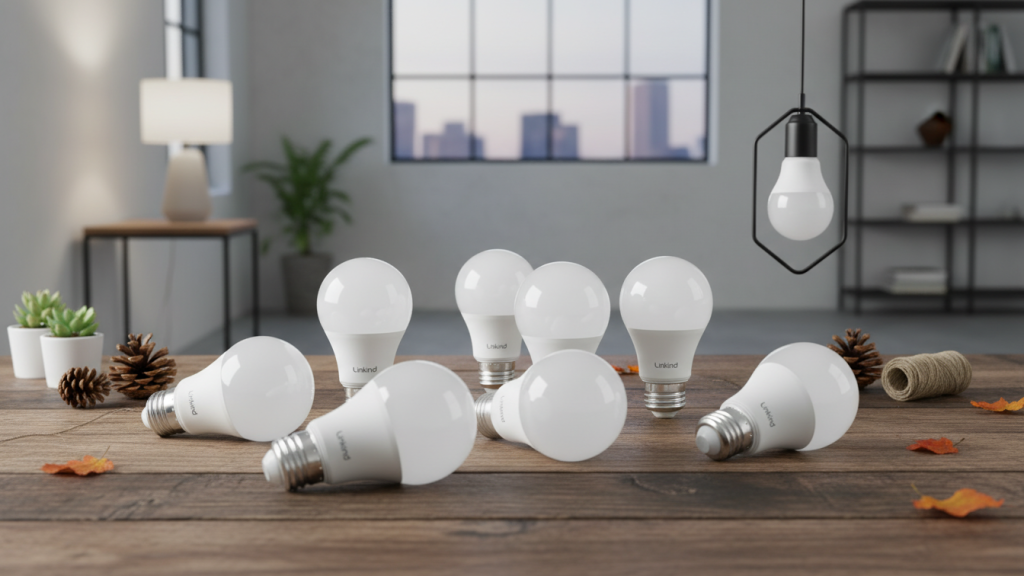
Why it works in kitchens
- Strong everyday option for kitchens that want warm, cozy light
- 800 lumens is a dependable brightness level
- Non-dimmable keeps it simple (and usually cheaper)
Best use
- Small kitchens, rentals, basic ceiling fixtures
- Kitchens where you want warm light to match nearby living spaces
What to watch
- Like the other 2700K bulb, it may feel too warm if you want a “crisper” prep-light look.
Which Kitchen Bulb Makes the Most Sense?
If you want the best kitchen task lighting (prep + cleaning)
Go with Daylight + very high lumens, but keep dimming available:
- Best fit: Energetic LED Bulbs 150 Watt Equivalent, 2600LM… Daylight 5000K, Dimmable A21…
Why: kitchens benefit from bright, clean visibility, and dimmable daylight lets you control it.
If you want balanced everyday light (clean but not harsh)
A 3000K bulb is often the “most people like it” choice:
- Best fit: Energetic 24 Pack… A19 Warm White 3000K…
Why: 3000K looks cleaner than 2700K for food prep while still staying comfortable at night.
If your kitchen is more “cozy vibe” than “task zone”
Warm 2700K can feel welcoming:
- Best fit (dimmable): Linkind A19 LED Light Bulbs Dimmable… 2700K…
- Best fit (budget): Linkind A19 LED Light Bulb… 2700K… Non-Dimmable…
Energy Savings (Simple, Real-Life Example)
Even “super bright” kitchen bulbs can save energy compared to old incandescent bulbs.
Example estimate (per bulb):
- A 60W incandescent used 3 hours/day:
60W × 3 × 365 = 65.7 kWh/year - A 9W LED used 3 hours/day:
9W × 3 × 365 = 9.86 kWh/year
At an estimated $0.16/kWh, that’s about:
- Incandescent: ~$10.51/year
- LED: ~$1.58/year
Savings: ~$9/year per bulb (rough estimate; your usage and rates vary).
Multiply that by 6–12 kitchen bulbs and it adds up fast.
The Optimal Choice (Best Overall for Most Kitchens)
✅ Best Overall: Energetic LED Bulbs 150 Watt Equivalent, 2600LM Super Bright Light Bulbs, Daylight 5000K, Dimmable A21 LED Bulb, E26…
Why this is the best “kitchen-first” pick:
- It gives you serious brightness for real cooking visibility,
- Daylight tone for cleaner color perception,
- and dimming so it doesn’t feel too harsh at night.
Best budget runner-up (whole-home value)
If you’re replacing many bulbs and don’t need dimming:
- Energetic 24 Pack LED Light Bulbs… 3000K…